Journalism, ideas, and the lives we share.
Read beyond the headline. Explore the context that makes public conversations more useful.
Selected reading
20 articles · Page 1/2 Photo: NikosLikomitros · CC0Media Literacy
Short Quotes, Long Meanings: Reading Words in Context
Check the question, recording, and editing choices before treating one sentence as the whole story.
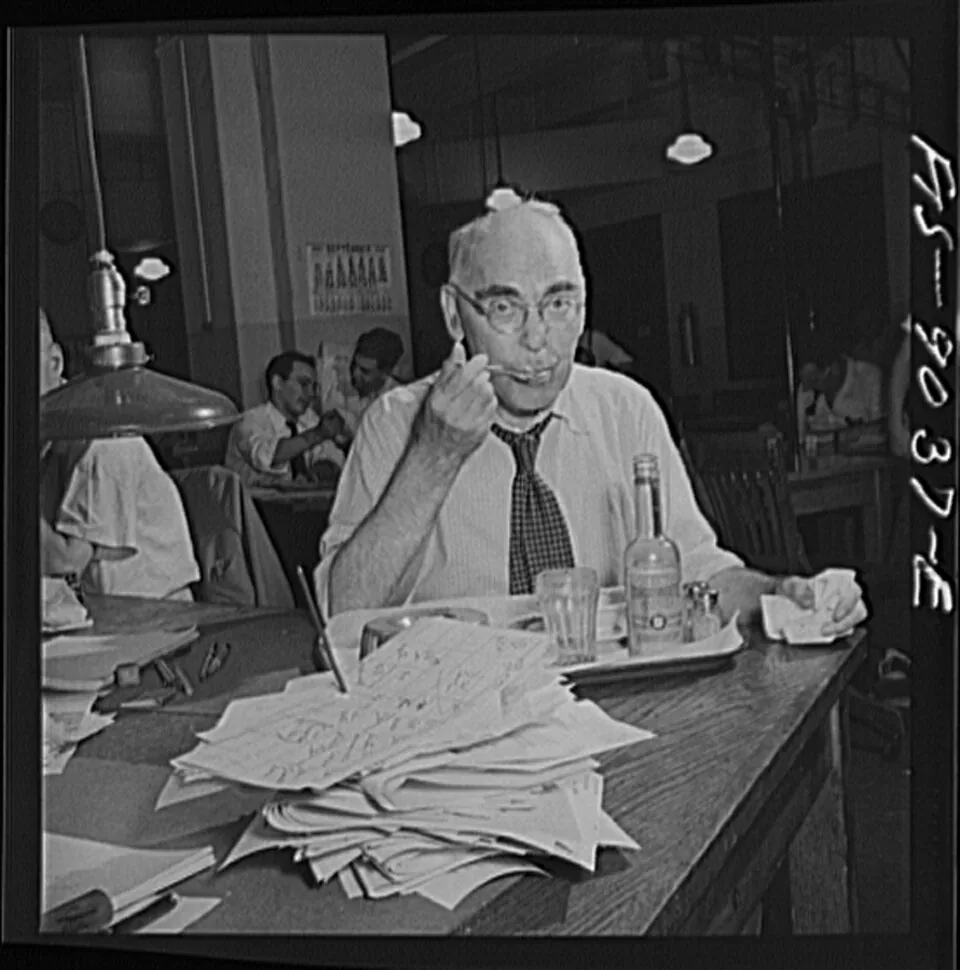 Photo: Marjory Collins · Public domainInside the Newsroom
Why News Corrections Deserve a Close Reading
Identify what changed, how much it matters, and how to share an update responsibly.
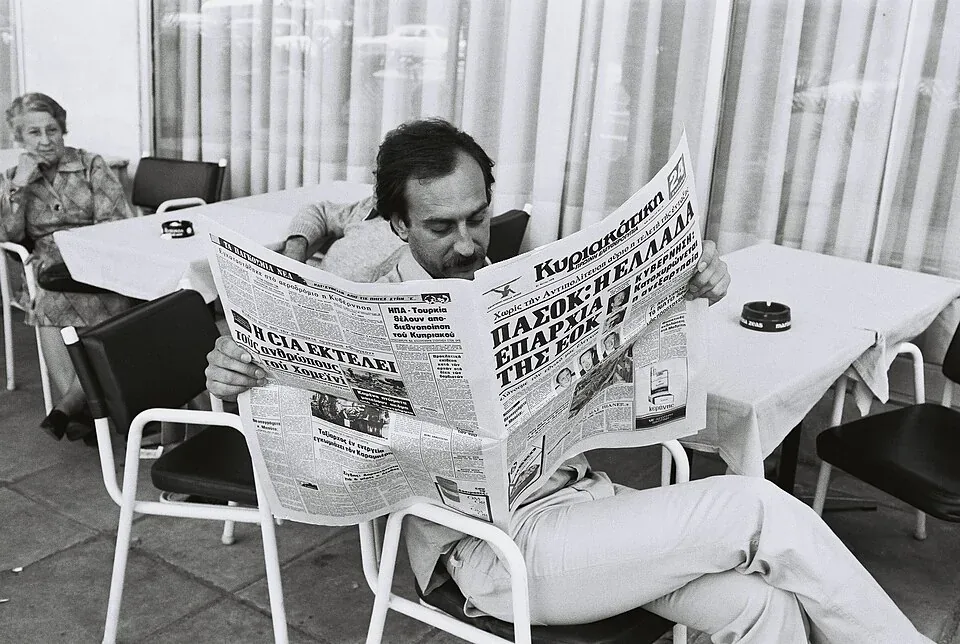 Photo: Jean-Louis Debaize / European Communities, 1979 / EC - Audiovisual Servi… · CC BY 4.0Media Literacy
News, Analysis, and Opinion: What Each Format Promises
Labels help, but the evidence and the way judgments are presented still need scrutiny.
 Photo: Jennifer Bishop · CC BY-SA 4.0Human Stories
Writing Human Profiles Without Flattening People into Symbols
Personal stories become stronger when their subjects retain a voice, choices, and contradictions.
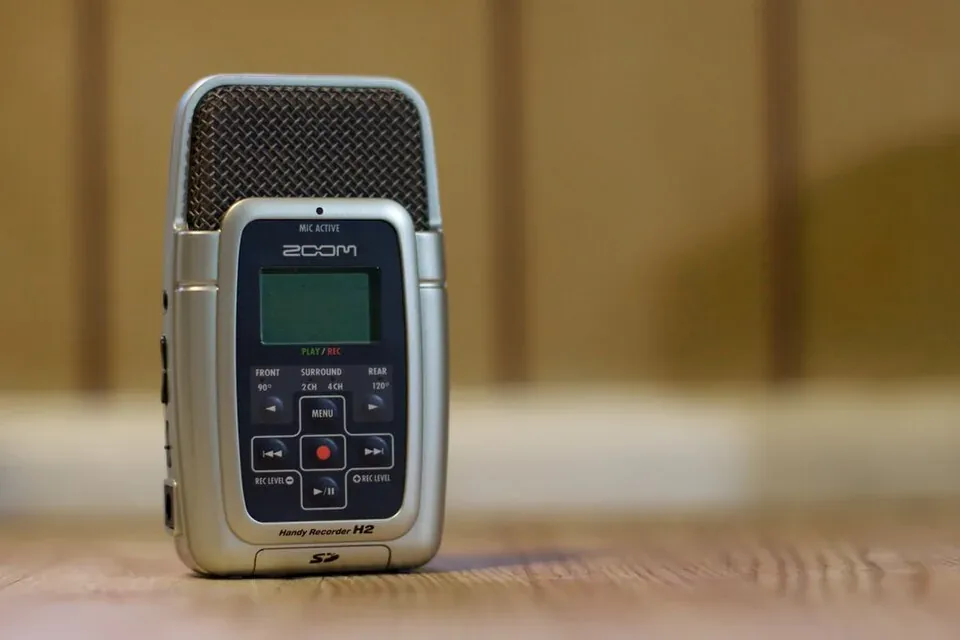 Photo: Alan Levine · CC BY 2.0Inside the Newsroom
Before You Press Record: Agreeing on an Interview’s Context
Make the purpose, intended use, and boundaries clear before collecting answers.
 Photo: Andrew Comings from Same, USA · CC BY 2.0Public Conversation
Moving Beyond Quote Battles to a Conversation Worth Continuing
Public discussion needs questions people can answer, not just the loudest statements.
 Photo: Tony Webster from Minneapolis, Minnesota, United States · CC BY 2.0Visual Literacy
An Authentic Photo Can Still Tell a Misleading Story
Time, place, framing, and intended use shape what an image means in a news report.
 Photo: Hawkeye7 · CC BY-SA 3.0Reading Data
Survey Numbers Do Not Speak for Themselves
Check the population, wording, and recruitment method before calling a result the public’s view.
 Photo: Michel Claude · CC BY-SA 3.0 igoPublic Conversation
Writing That Invites More People into Public Conversation
Clear terms, structure, and presentation make an issue easier to enter without flattening its complexity.
 Photo: Steven L. Herman · Public domainMedia Ethics
Reporting Disasters Without Taking Space from Survivors
Useful information must be accompanied by respect for safety, privacy, and people’s experiences.
Context before conclusions.
Read the explanation, check the source, and distinguish an example from a reported event. Explore our editorial approach.